
What's the Best Museum to Visit in Ho Chi Minh City?
Last checked: October 2026. Ticket prices changed on 1 October 2026 and hours move, so check before you go.If you only have time for one museum in Ho Chi Minh City, go to the War Remnants Museum. It's heavy and it takes about two hours, but it's the one that tells the war from Vietnam's side.
After that it depends what you're into. Saigon has more museums than most visitors expect: a palace frozen in 1975, a colonial mansion with escape tunnels under it, a mummy from the 1860s, a medicine museum built out of old wooden houses, and since January 2026, a museum about phở. Below are 11 of them, what's actually inside, and the small things that make a visit go better.
I use the old district names below. Since the 2025 changes, Google Maps and new street signs show ward names instead, so the Map links are the easiest way to find each one.
Which museum should you pick?
| Museum | Good for | Ticket | Watch out |
|---|---|---|---|
| War Remnants Museum | The war, from Vietnam's side | 60,000 VND | Very graphic |
| Independence Palace | 1960s rooms, the 1975 story | 40,000 / 80,000 VND | The tanks outside are replicas |
| Ho Chi Minh City Museum | The building, wedding photos | 60,000 VND | Ask if the escape tunnels are open |
| History Museum | Champa art, the mummy | 60,000 VND | Closed Mondays and at lunch |
| Fine Arts Museum | Old mansion, lacquer art | 60,000 VND | Check hours |
| Traditional Medicine (FITO) | Something nobody else does | 180,000 VND | Out in District 10 |
| Southern Women's Museum | Áo dài, women in the wars | Free | Most labels upstairs are Vietnamese |
| Ho Chi Minh Museum, Nhà Rồng | The river, the old port | Free | Not the same as the City Museum |
| Ho Chi Minh Campaign Museum | Tank 848 and the 1975 offensive | Free | Weekdays only |
| Áo Dài Museum | A quiet half day out | 50,000 VND | About 22 km away |
| Phở Museum | Phở, plus a bowl at the end | 750,000 VND | Price |
Did museum tickets in Ho Chi Minh City go up?
Yes. On 1 October 2026 the city put up ticket prices at the museums it runs. In the centre that means the War Remnants Museum, the Fine Arts Museum, the Ho Chi Minh City Museum and the History Museum, all 60,000 VND now, about $2.40. Foreign visitors pay the same as locals.
A lot of guides online still say 30,000 or 40,000 VND. Those prices are from before October. Kids and students are meant to get in free under the new rules, but the notices are written for Vietnamese ID cards, so bring a student card and don't count on it.
Which museums in Ho Chi Minh City are worth visiting?
Here they are, roughly from the most visited to the furthest out.
1. War Remnants Museum
Bảo tàng Chứng tích Chiến tranh. It opened in September 1975, a few months after the war ended, in a building the Americans had used for their information agency. Before 1995, the year Vietnam and the US restored relations, it had two longer names.
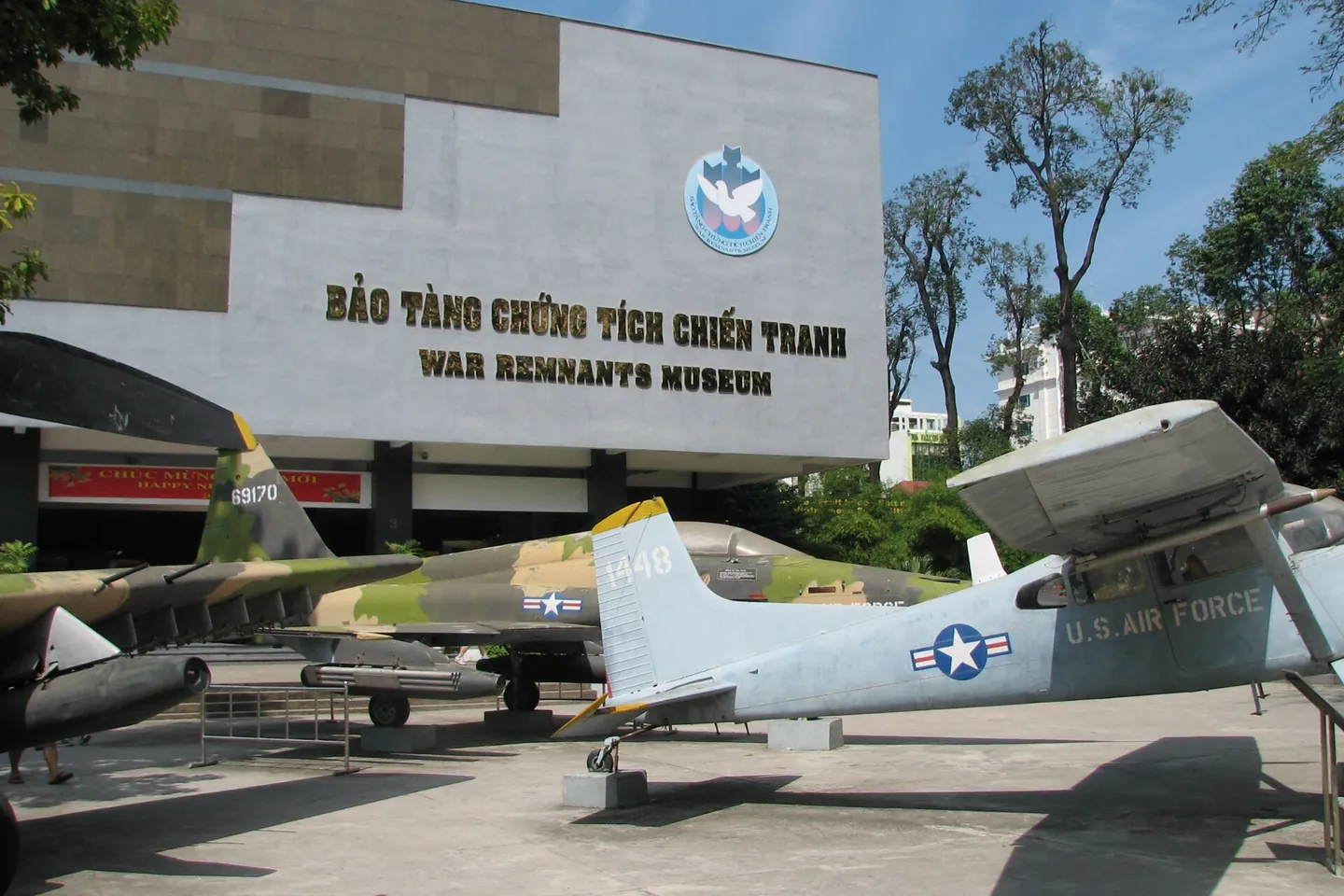
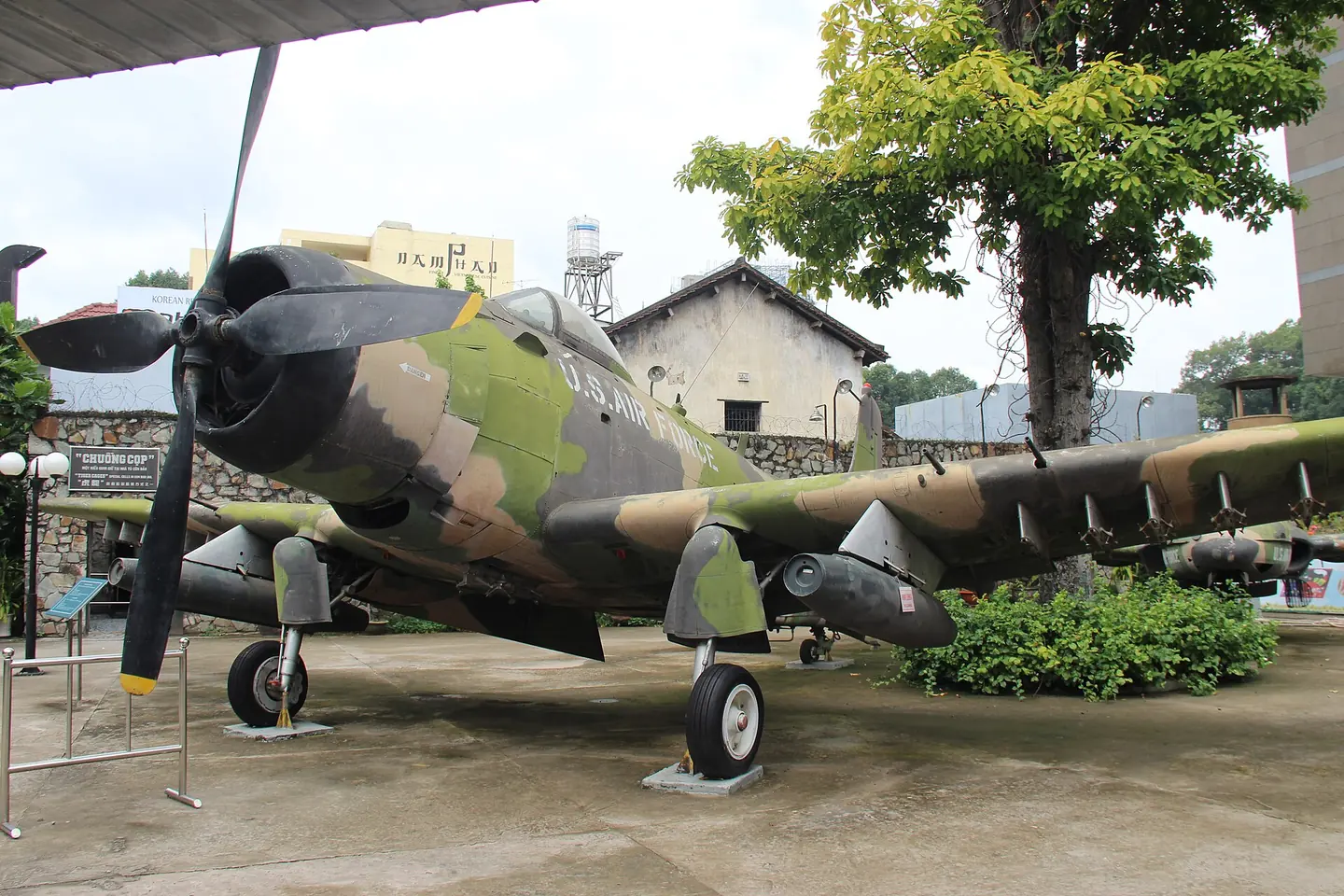
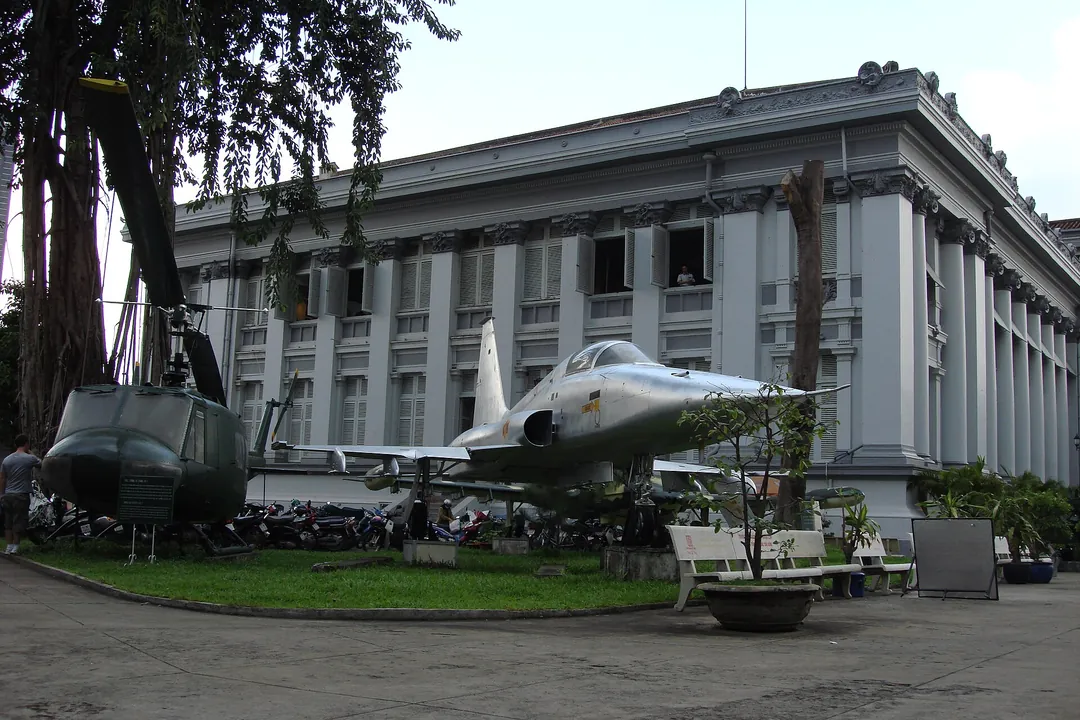
Start in the yard. There's a Huey helicopter, an F-5A fighter, an A-1 Skyraider, an A-37, an M48 tank and a BLU-82, a bomb so big it was used to clear helicopter landing zones in the jungle. Look closely at the planes. Several wear US Air Force markings, but some of them actually flew for South Vietnam's air force and were repainted for display. Outside there's also a recreation of the "tiger cages" from Côn Đảo prison, and a guillotine that the French and then the South Vietnamese government used for executions, the last time in 1960.
Inside there are three floors. The ground floor is about the anti-war movement around the world. Upstairs it gets harder. The Agent Orange room has photos of people born with defects linked to the chemical, and three jars of preserved fetuses. Go in knowing that. The gallery I'd make time for is Requiem, put together by the photographers Tim Page and Horst Faas. It shows the work of photographers from both sides who were killed in the war.
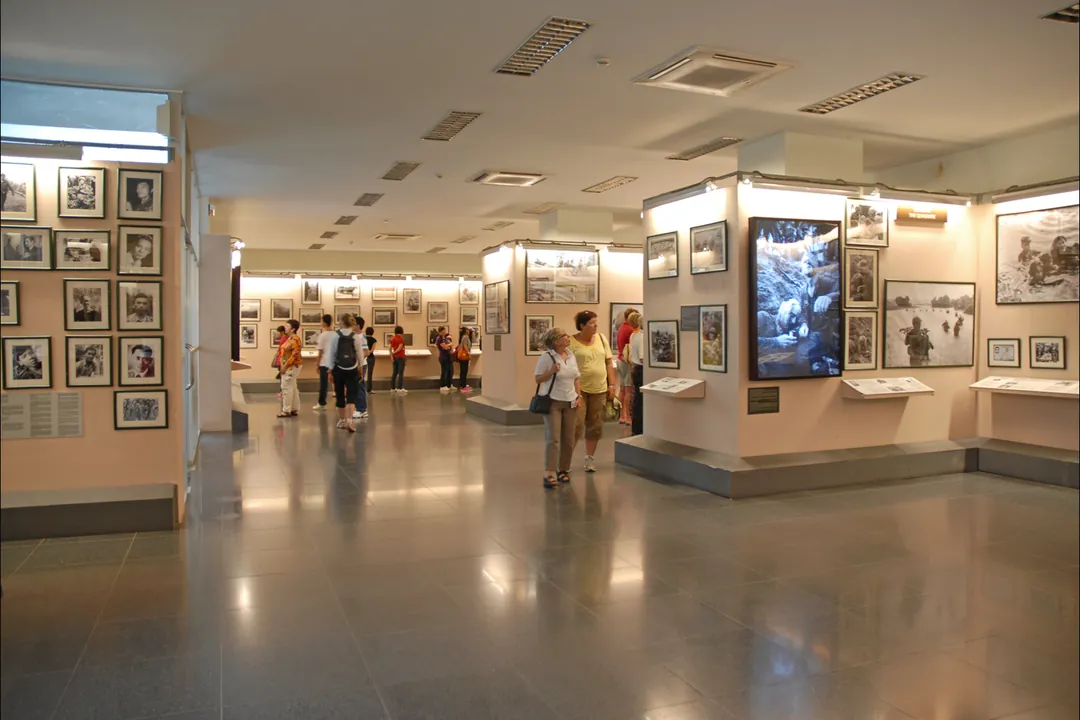
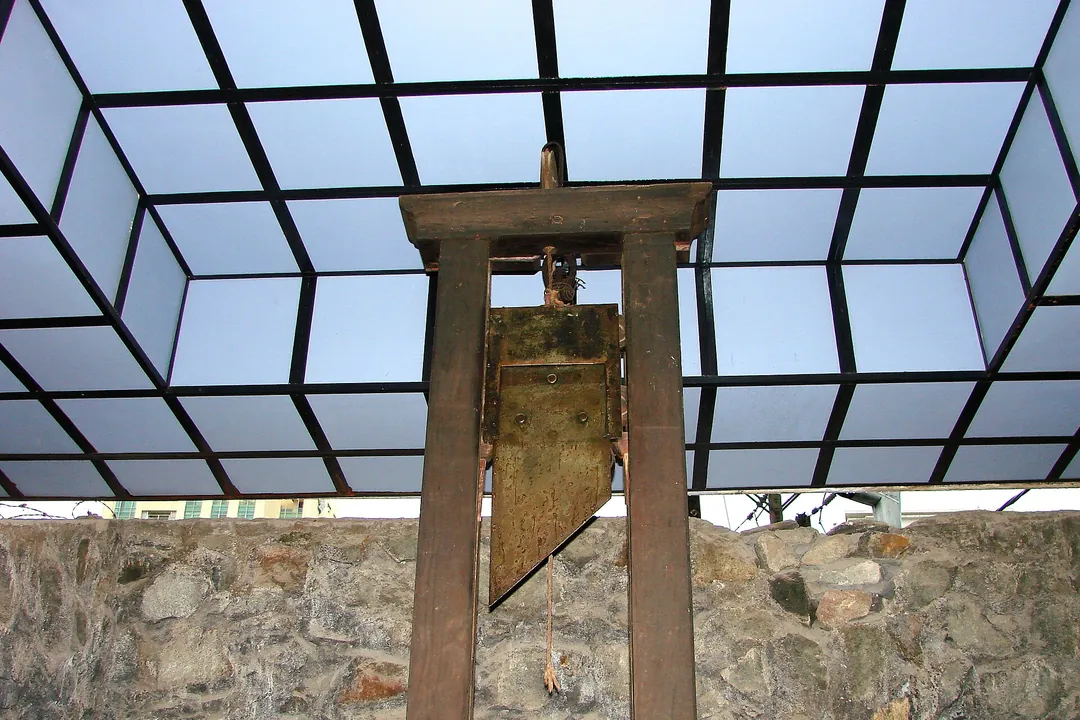
Captions are short and in English, so you won't miss anything without a guide. Most people would rather take it in quietly, at their own speed. I'd go on your own. For me it's worth it.
Two small tips. Buy your ticket online and skip the counter. And when you come out, don't take the taxis waiting at the gate, book a Grab instead. If you're into the history, General Westmoreland, who commanded US forces from 1964 to 1968, lived at 60 Võ Văn Tần, on the same street.
Address: 28 Võ Văn Tần, District 3 (Map)
Ticket: 60,000 VND, or online at baotangchungtichchientranh.vn with a QR code by email
Open: every day, 7:30am to 5:30pm
Time: about two hours
2. Independence Palace
Dinh Độc Lập, also called Reunification Hall. Not a museum exactly, but it's the other place everyone asks about. The building you see isn't the first palace here. Norodom Palace, the old French one, was bombed on 27 February 1962 by two South Vietnamese pilots trying to kill President Ngô Đình Diệm. A bomb went through the room where he was reading and didn't go off. Diệm had the whole thing pulled down and a new one built. He was killed in the 1963 coup and never saw it finished.
The new palace opened on 31 October 1966. Its architect, Ngô Viết Thụ, had won the Grand Prix de Rome in 1955, and the corridors are designed so air moves through and keeps it cool. On 8 April 1975 it was bombed again, this time by Nguyễn Thành Trung, a South Vietnamese pilot secretly working for the North, flying an F-5E. Then on 30 April, at about 10:45am, tanks went through the front gate, and the war ended in this building.
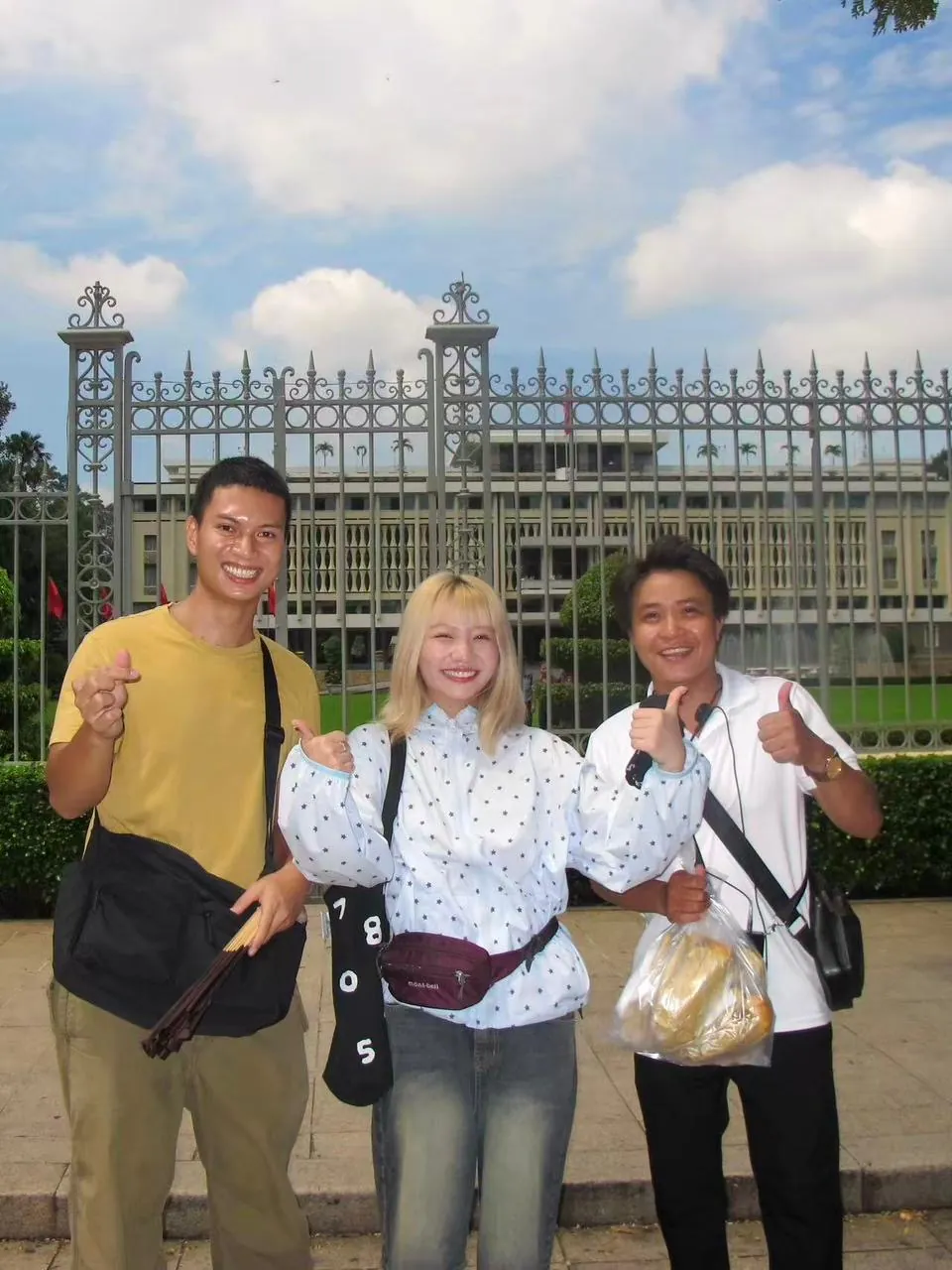
Inside, the rooms are kept the way they were: the banquet hall, the cabinet room where the surrender happened, the president's office, and entertainment rooms with carpets and furniture straight out of the 1960s. The basement war rooms are the real reason to go. They're full of old communications equipment and maps on the walls.
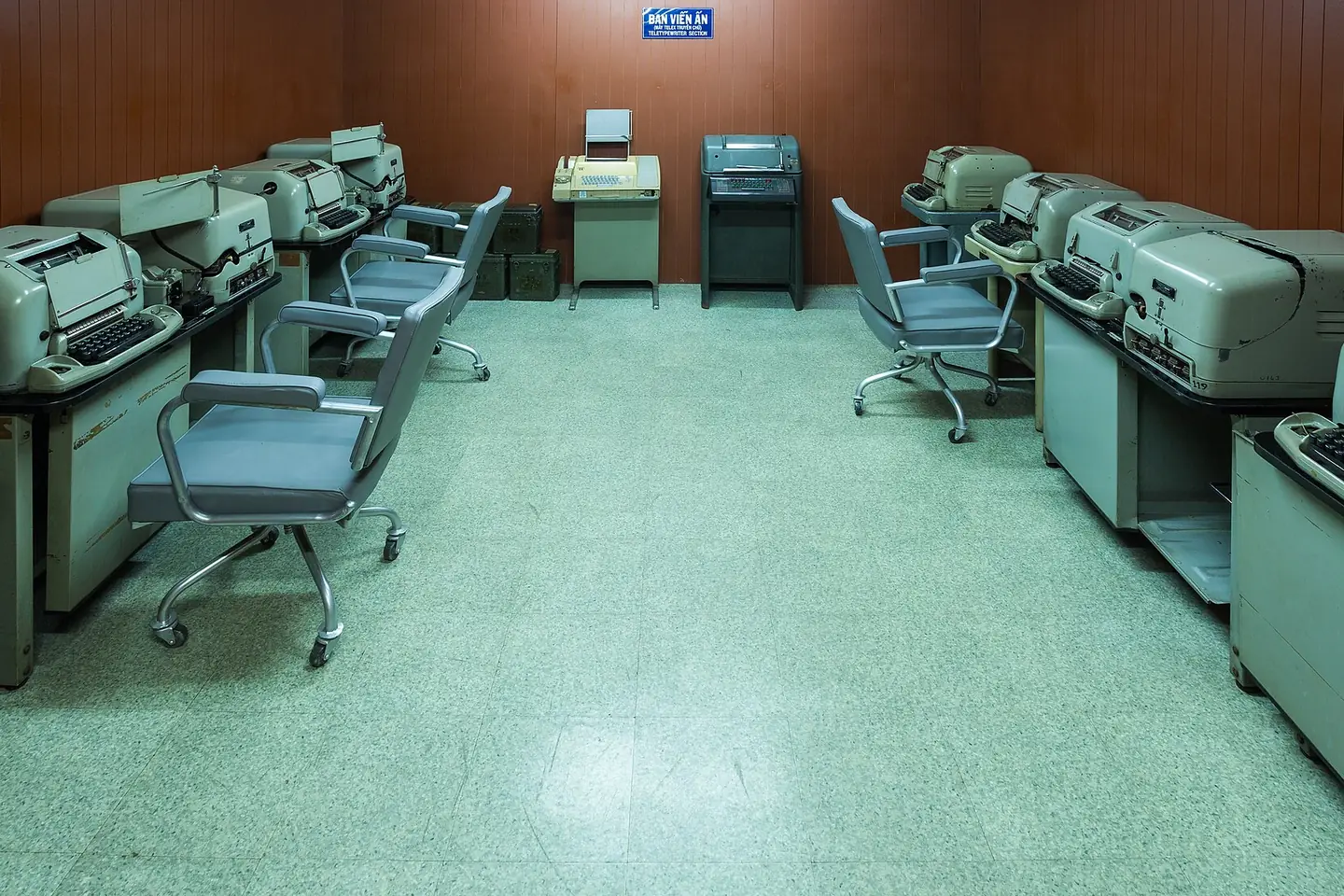
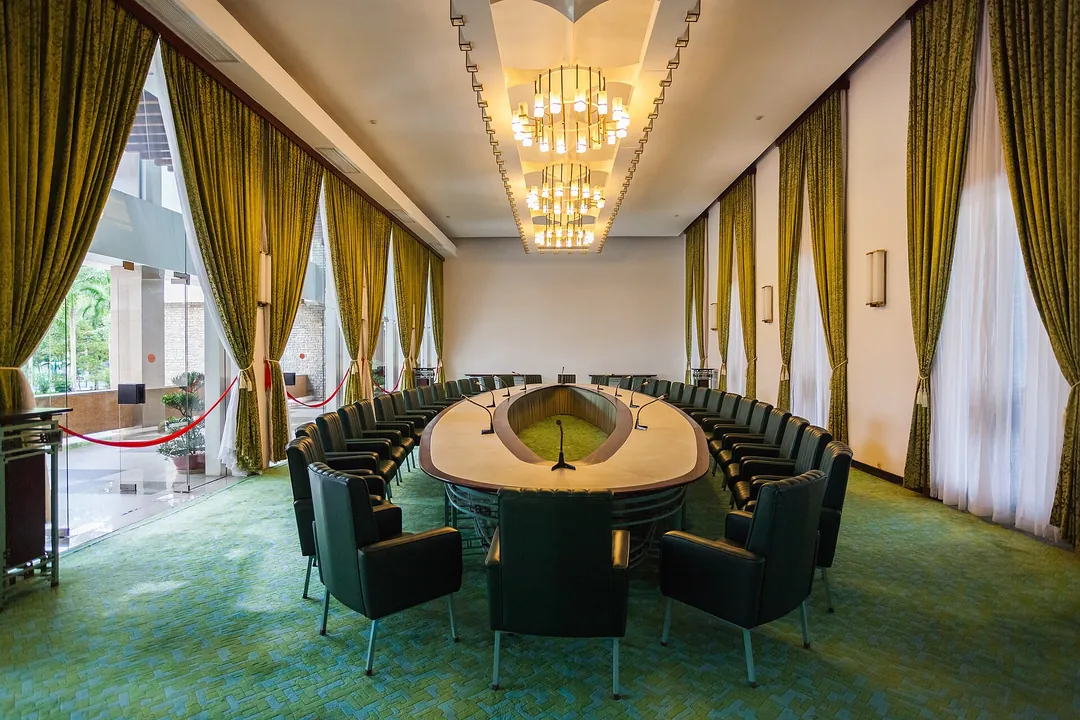
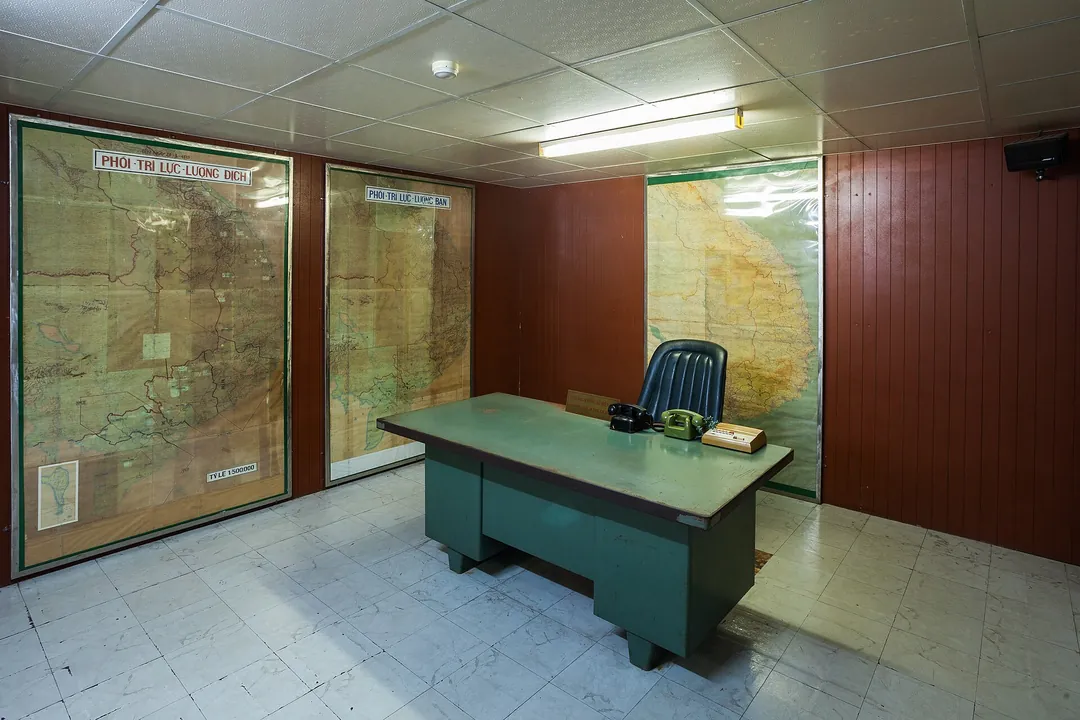
Two things most people miss. The tanks on the lawn are replicas. Tanks 843 and 390, the real ones, are in museums in Hanoi. And near the Nguyễn Du Street gate there's an exhibition on the old Norodom Palace, in the only building left from it.
Address: 135 Nam Kỳ Khởi Nghĩa, District 1 (Map). There's a second gate at 106 Nguyễn Du
Ticket: 40,000 VND for the palace, 80,000 VND for the palace and the exhibition
Open: every day, 7am to 6pm. The Nguyễn Du gate is 8am to 4pm
3. Ho Chi Minh City Museum
Bảo tàng Thành phố Hồ Chí Minh, still called Gia Long Palace. This is the building to see if you like old Saigon. It went up between 1885 and 1890, designed by the French architect Alfred Foulhoux as a museum of commerce, then became the home of the French governor of Cochinchina.
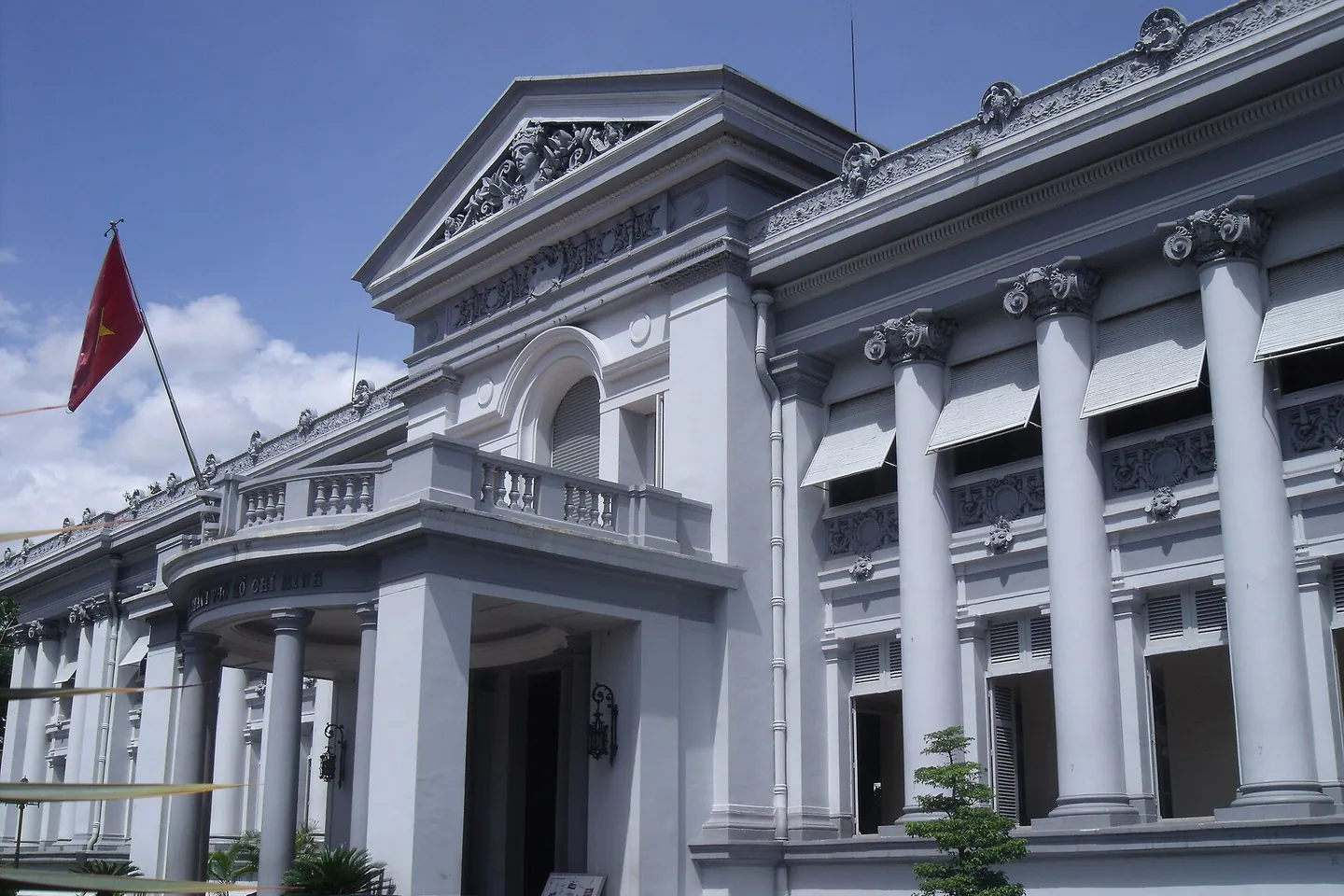
After that it changed hands again and again. The Japanese took it in March 1945, the Việt Minh in August. Then the British, the French and the State of Vietnam. In 1962, after the bombing at Norodom Palace, President Diệm moved in here. He had tunnels built underneath it, with six rooms and iron vault doors, and it's widely believed he escaped through one during the coup in November 1963. Soldiers caught him in Chợ Lớn and he was killed the next day. I can't promise the tunnels are open to visitors, so ask at the desk.
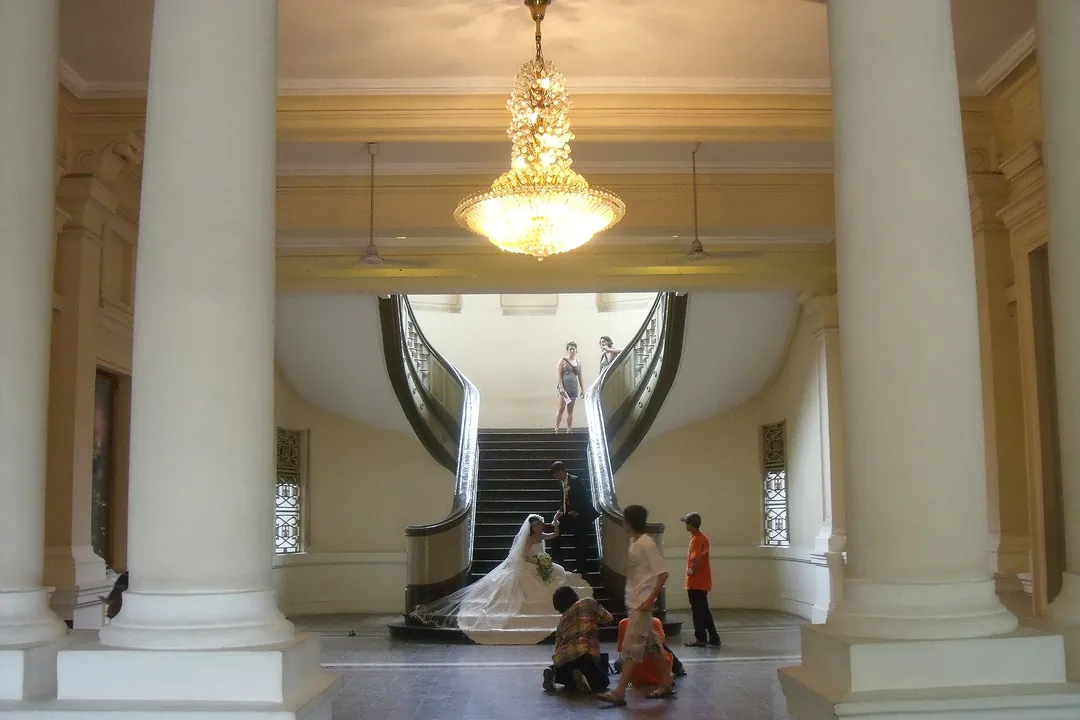
Walk around the outside before you go in. The front is covered in carvings, and if you look you'll find chickens for the daytime and owls for the night. There's old military hardware in the yard, and the big staircase is a favourite spot for wedding photos. It became a museum in 1978 and got its current name in 1999.
It's on Lý Tự Trọng, the same street as the rooftop from the 1975 helicopter photo. We stop at that one on City Highlights & Hidden Gems.
Address: 65 Lý Tự Trọng, District 1 (Map). Nearest metro: Opera House station
Ticket: 60,000 VND
Open: from 8am. The museum doesn't post its hours online, so check Google Maps on the day
4. History Museum
Bảo tàng Lịch sử Thành phố Hồ Chí Minh. It sits by the gate of Thảo Cầm Viên, the zoo and botanical garden, in a building by the French architect Auguste Delaval that opened on 1 January 1929. Back then it was the Musée Blanchard de la Brosse. It's had its current name since 1979.
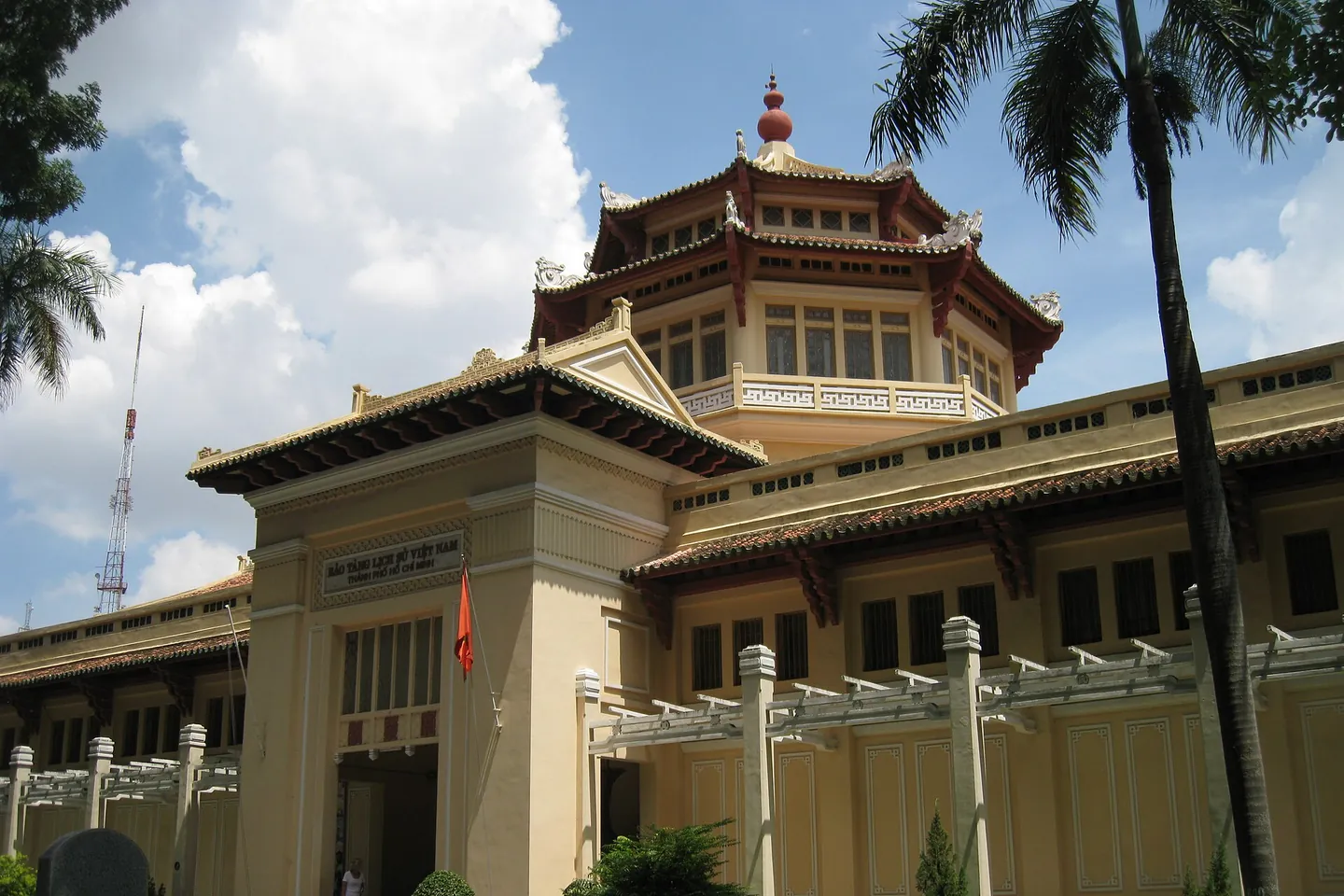
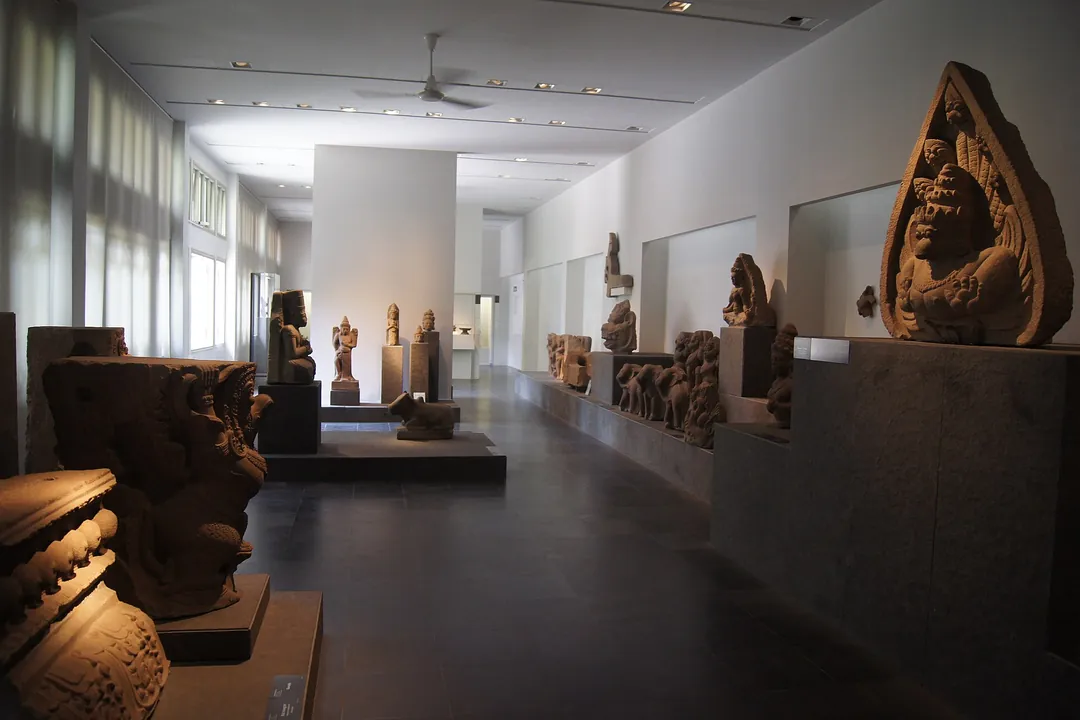
This is Vietnam before the wars, from the Stone Age to the last emperors. The Champa collection is one of the biggest anywhere, and twelve of its statues of gods were made national treasures in 2013 and 2018. There's also gold and sculpture from Óc Eo, the port of the Funan kingdom down in the Mekong Delta between the 2nd and 7th centuries.
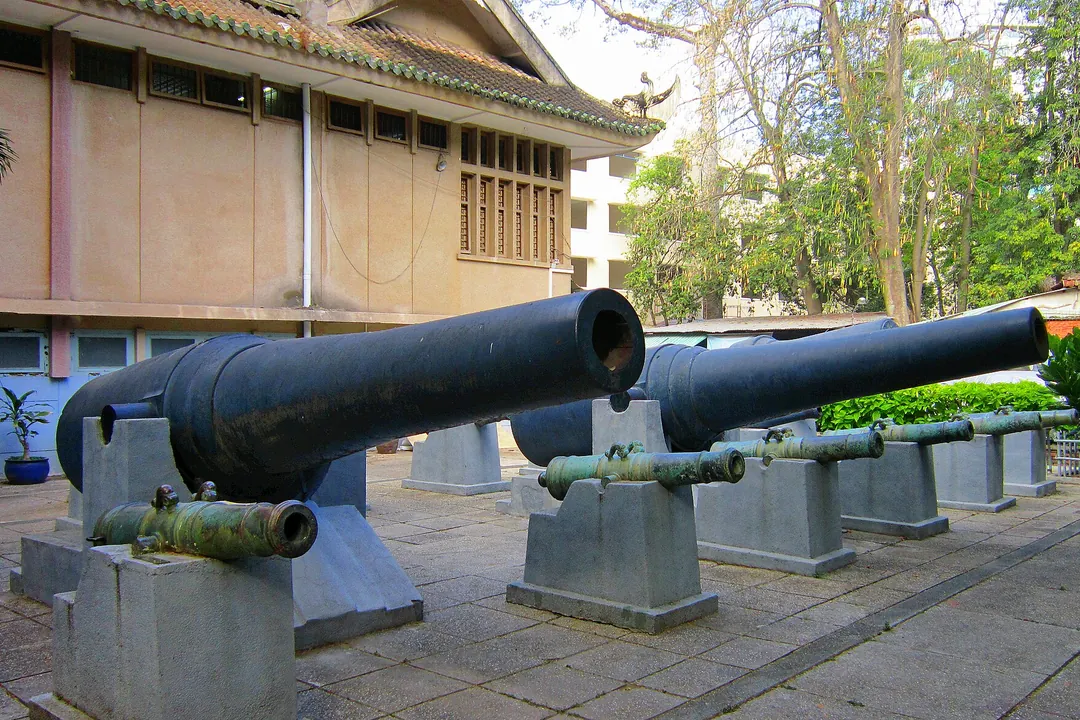
The one people don't expect is in Room 15: a mummy. She was found in 1994 in a tomb at Xóm Cải in District 5, a woman of about 60, 1.52 metres tall, who died in 1869. Everything in her coffin had been soaked in a red liquid, which is part of why she lasted. Look out for a French cannon cast in 1868 too.
Some rooms don't explain much, so look things up as you go. Pick this one over the War Remnants Museum if you like old things more than war history.
Address: 2 Nguyễn Bỉnh Khiêm, District 1 (Map)
Ticket: 60,000 VND
Open: Tuesday to Sunday, 8am to 11:30am and 1pm to 5pm. Closed on Mondays
5. Fine Arts Museum
Bảo tàng Mỹ thuật Thành phố Hồ Chí Minh. Three yellow buildings a few minutes from Bến Thành Market. The main one was built between 1929 and 1934 by a French architect called Rivera for the Hui Bon Hoa family, one of the richest Chinese families in old Saigon. It's said to have been one of the first buildings in the city with a lift. The family left in the early 1970s, and there's a local story that the patriarch's daughter still haunts the place.
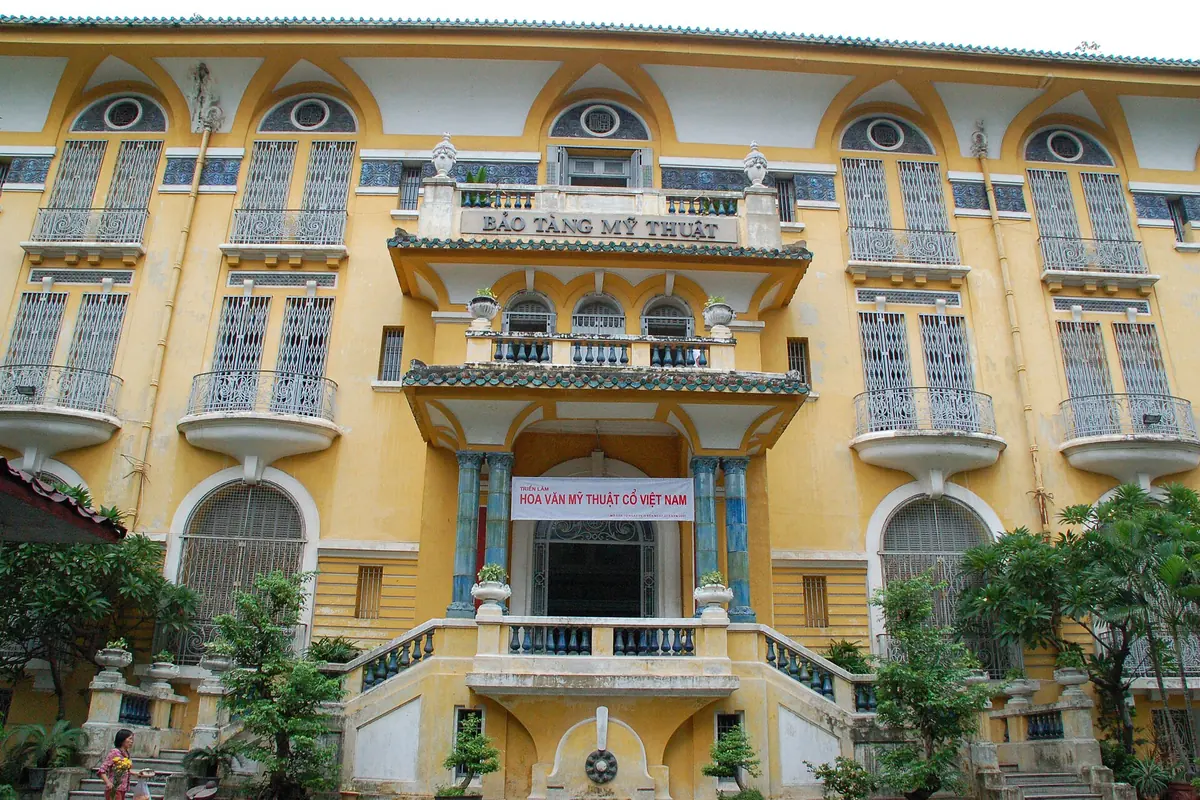
Inside the main building you'll find lacquer paintings, sculpture, war art from the front line, and some art from Saigon before 1975. Another building has ancient pieces from the south, including Óc Eo sculpture, and the third has temporary shows. In the main courtyard there are two statues without labels. One is Petrus Ký, the scholar. The other is Quách Đàm, the rice merchant who built Bình Tây Market in Chợ Lớn.
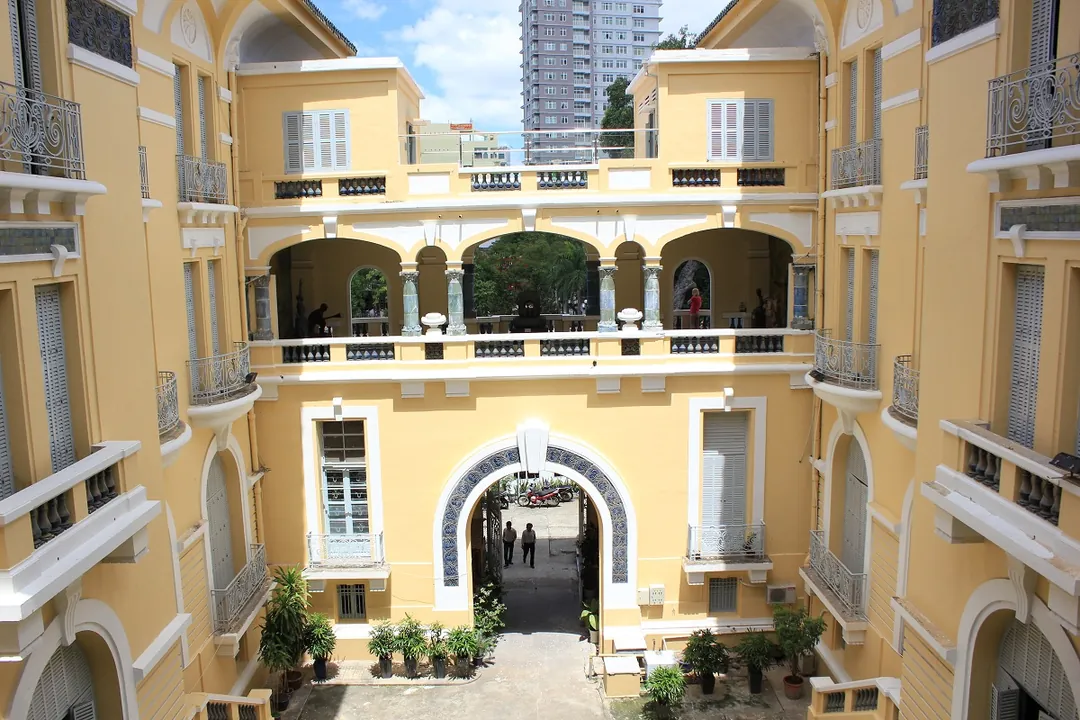
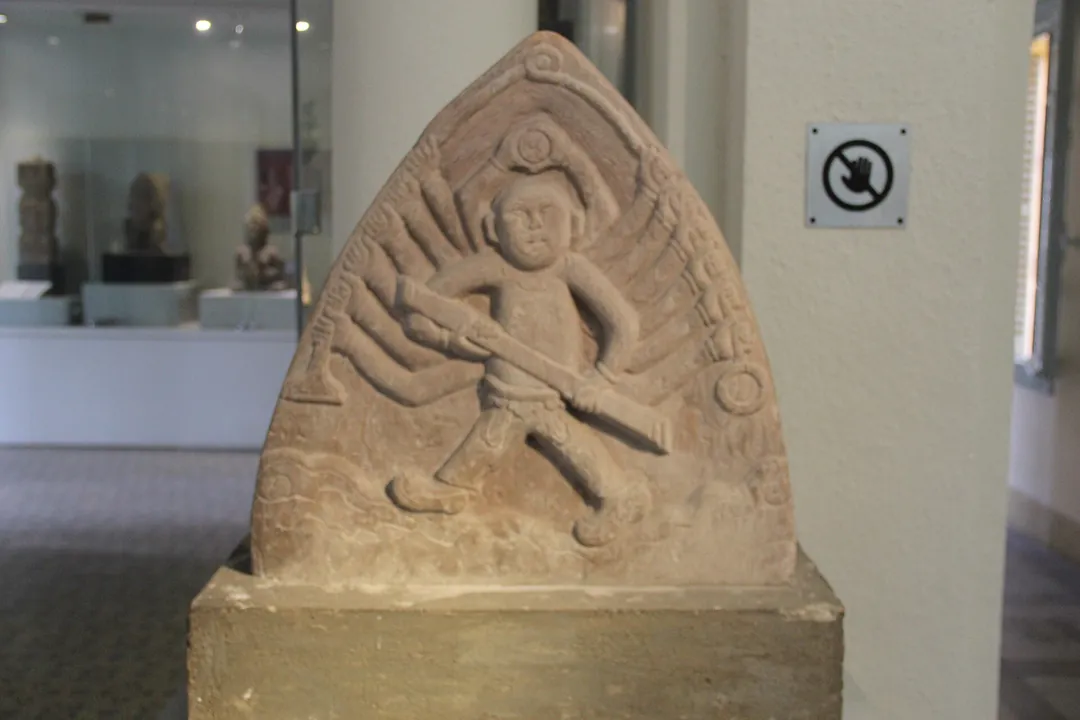
Honestly, the building is half the reason to go. Look up at the stained glass.
Address: 97A Phó Đức Chính, District 1 (Map). Nearest metro: Bến Thành station
Ticket: 60,000 VND
Open: from 8am, check Google Maps for closing time
6. Museum of Traditional Vietnamese Medicine
Bảo tàng Y học cổ truyền Việt Nam, better known as the FITO Museum. Down an alley in District 10, run by the FITO traditional medicine company since 2007. The building is made mostly of wood from old houses, and there are herbs growing on every floor.
Wooden cabinets, herbal drawers, tools out of an old apothecary. There are about 3,000 objects. Some of the knives and grinders for making medicine are around 2,500 years old, and one room has lacquer paintings of 15 famous physicians from the 13th to the 19th century. Upstairs is an altar to Tuệ Tĩnh and Hải Thượng Lãn Ông, the two founders of Vietnamese traditional medicine, and there's an old medicine shop set up the way it would have looked. Watch the short film at the start. It explains what you're about to see.
Almost nobody goes. It costs three times what the city museums do, because it's private.
Address: 41 Hoàng Dư Khương, District 10 (Map)
Ticket: 180,000 VND, or 90,000 VND for students, seniors and kids aged 2 to 15
Open: every day, 8:30am to 5pm
7. Southern Women's Museum
Bảo tàng Phụ nữ Nam Bộ. It opened on 29 April 1985 as a small "tradition house" and has grown into four floors. The first floor is the easiest for visitors, with English and French signs, traditional crafts and áo dài. Upstairs is about women in the wars: photos, diaries and the personal things they left behind. Most of those labels are in Vietnamese only.
It's free, and it's also in District 3, so it fits after the War Remnants Museum if you want something gentler.
Address: 202 Võ Thị Sáu, District 3 (Map)
Ticket: free for now. The city hasn't started charging here
Open: sources disagree on whether it closes for lunch, so go in the morning
8. Ho Chi Minh Museum at Nhà Rồng
Bảo tàng Hồ Chí Minh, at Bến Nhà Rồng. Not the same as number 3, which is about the city. This one is about the man.
The building went up around 1863 as the office of a French shipping company, Messageries Maritimes, right where the Saigon River meets the Bến Nghé canal. That was the city's first commercial port. Look at the roof: two dragons face a moon in the middle, which is where the name Nhà Rồng, Dragon House, comes from.
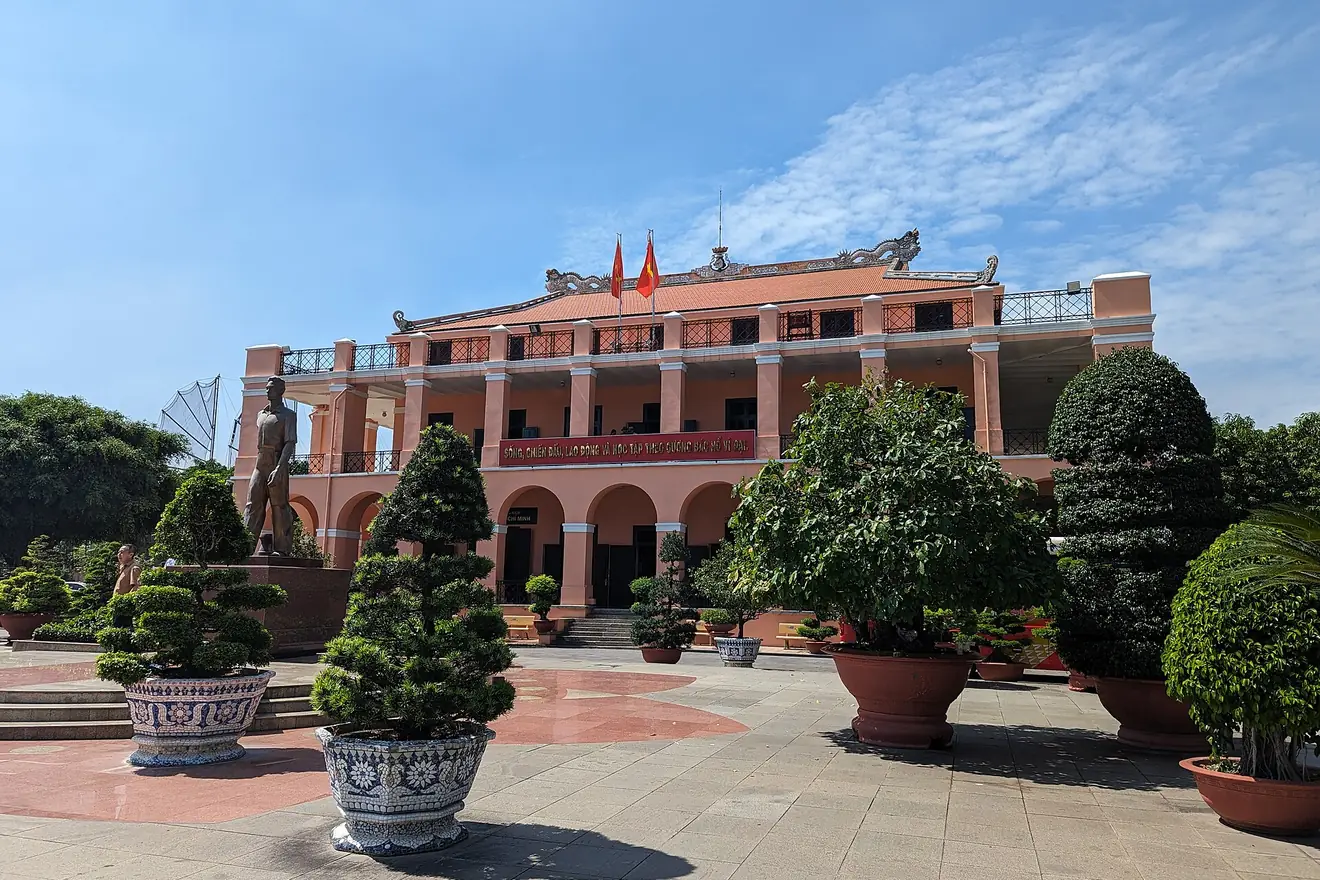
On 5 June 1911 a young man called Nguyễn Tất Thành got a job on the French ship Amiral de Latouche-Tréville and sailed from this wharf, using the name Văn Ba on board. He didn't come back for 30 years, and by then he was Hồ Chí Minh. The building became a memorial in 1979. There's a statue of him as a young man in the grounds, and the riverside is a nice place to sit after.
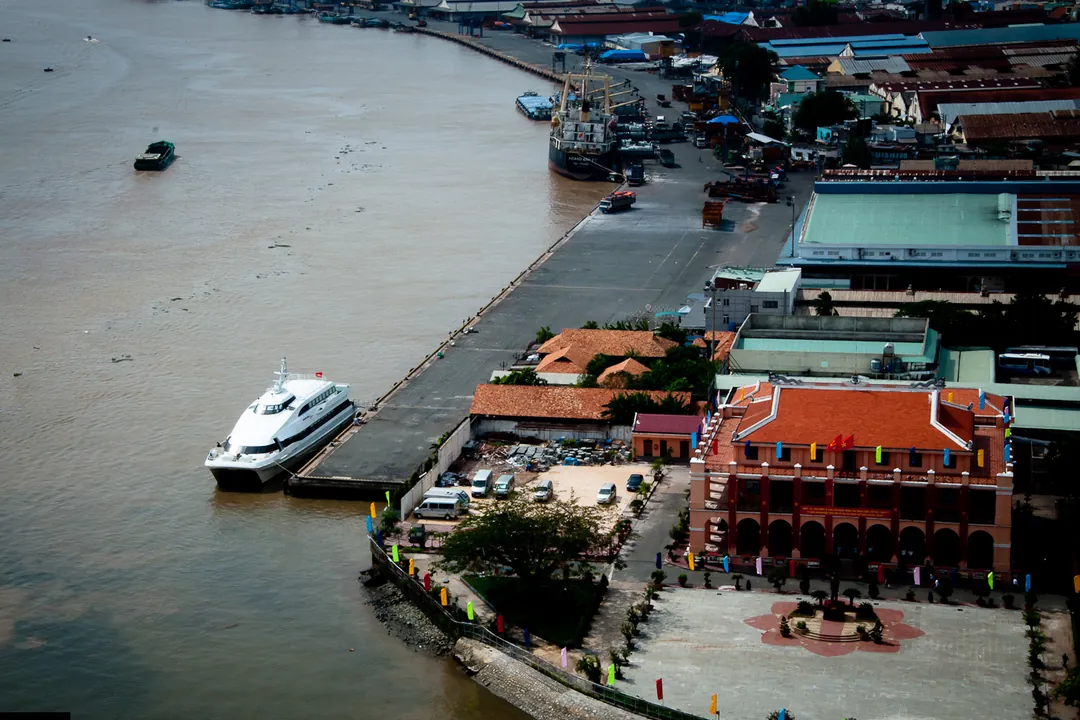
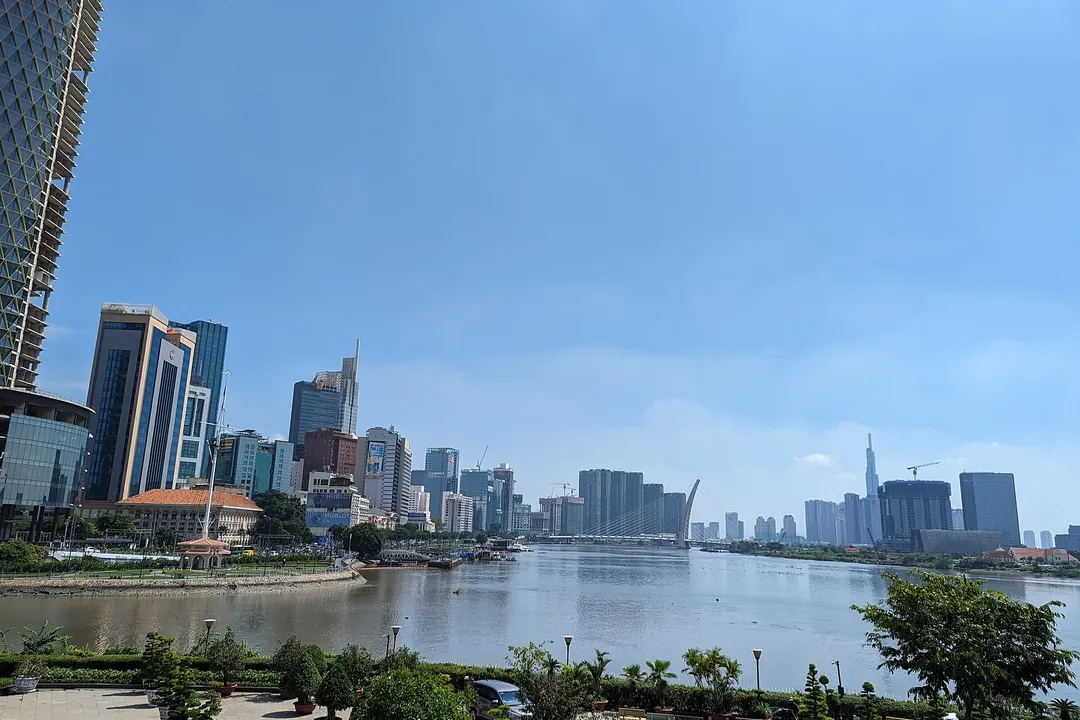
Address: 1 Nguyễn Tất Thành, District 4 (Map)
Ticket: free for now
Open: hours aren't posted online, so check before you go
9. Ho Chi Minh Campaign Museum
Bảo tàng Chiến dịch Hồ Chí Minh. The Ho Chi Minh Campaign was the final offensive in spring 1975, and this museum is all about it. It's in the old National Defense College of South Vietnam on Lê Duẩn, which became an exhibition hall in 1987.
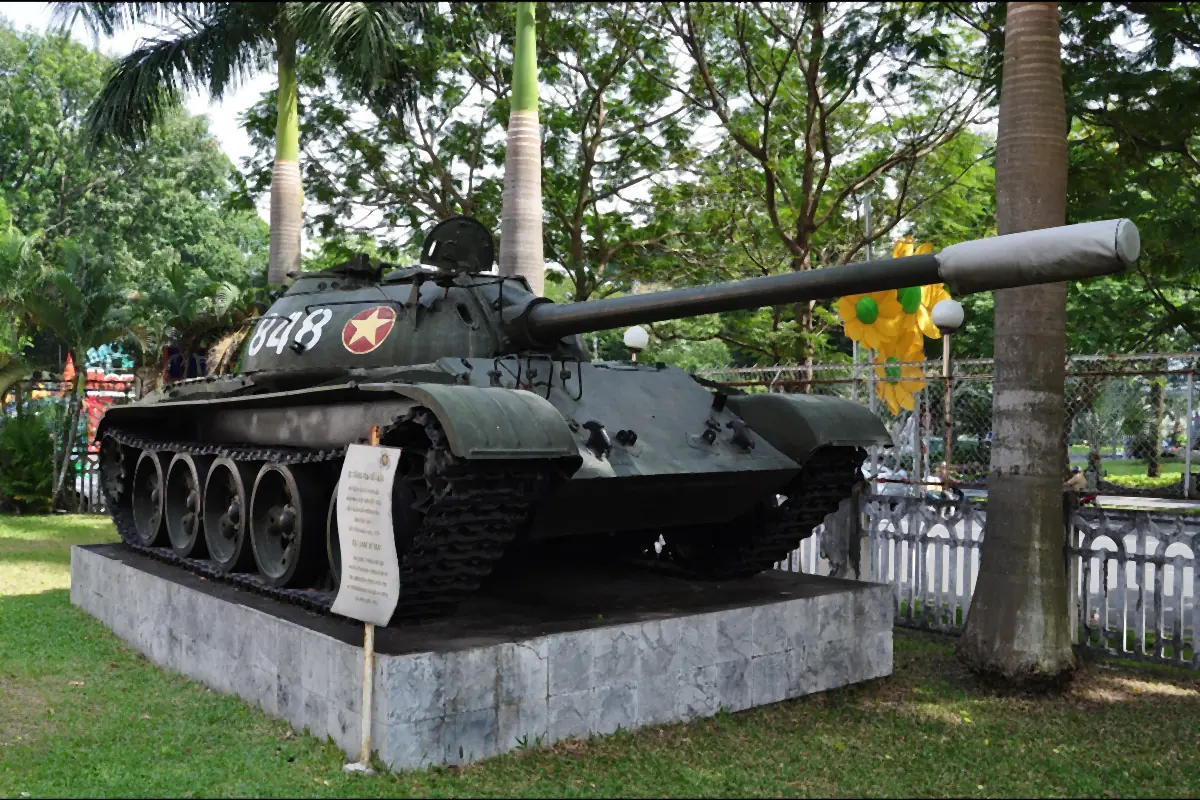
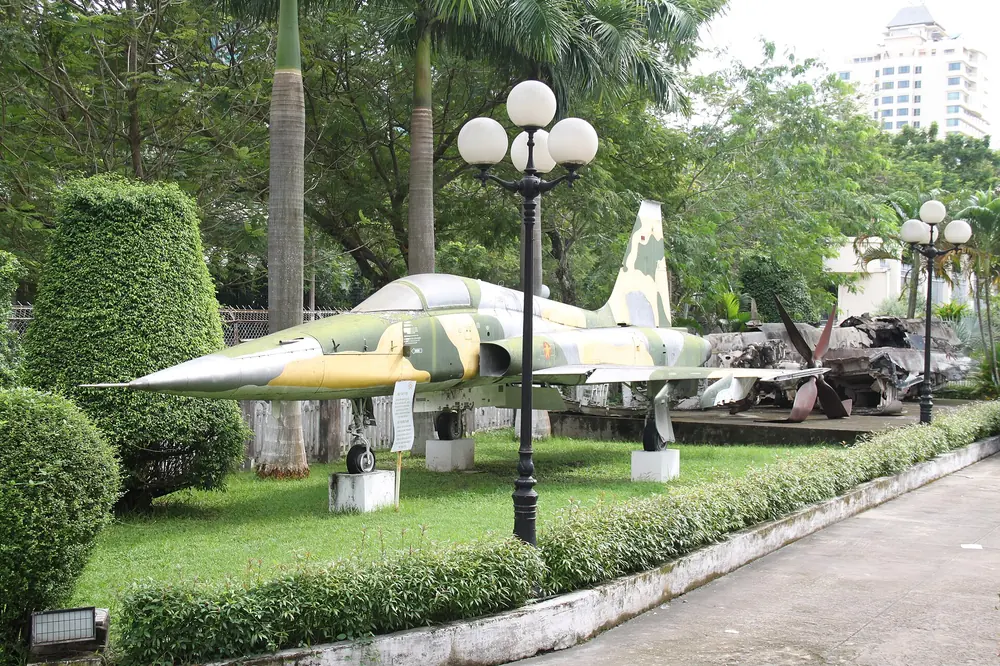
The best part is outside. There's an F-5 jet shown as the one Nguyễn Thành Trung flew to bomb the Independence Palace on 8 April 1975. He flew an F-5E, though, and aviation writers say this one is the older F-5A, so it's probably a stand-in. The real thing out here is T-54 tank number 848 of the 203rd Brigade, one of the tanks that drove into the palace grounds on 30 April. There's also an M113 armoured carrier captured in January 1975.
Inside there's a big model of the whole offensive, the campaign logbook (a national treasure), a life-size scene of President Dương Văn Minh's surrender, and a stained glass window of soldiers that's worth finding.
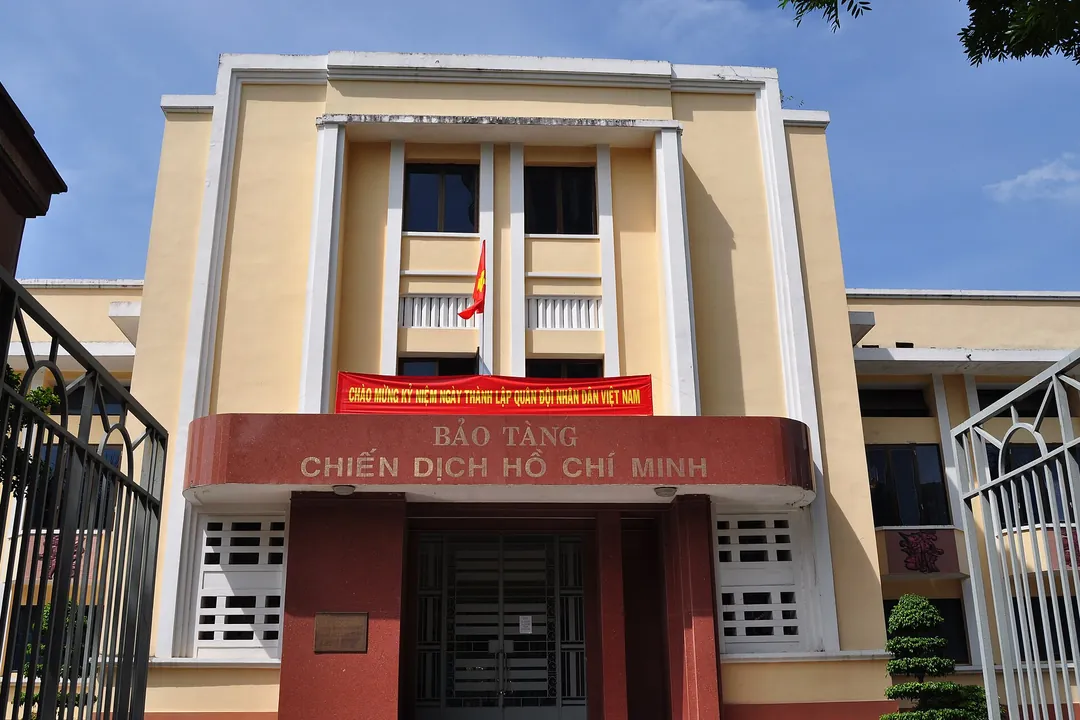
It's free, but it's only open on weekdays, it closes for lunch, and it's been known to close without notice. The History Museum is about 300 metres away, so do them together.
Address: 2 Lê Duẩn, District 1 (Map)
Ticket: free
Open: Monday to Friday, 7:30am to 11am and 1:30pm to 4:30pm
10. Áo Dài Museum
Bảo tàng Áo dài. The artist Lê Sĩ Hoàng started it in 2014, out in Long Phước in Thủ Đức, between the Tắc and Đồng Nai rivers. It's about 22 kilometres from the centre, so it's a half day, not a quick stop.
There are more than 300 áo dài covering over a dozen periods. Look for a 19th-century one from the Nguyễn dynasty embroidered with dragons and phoenixes, a 17th-century áo tứ thân (the older four-panel dress), and pieces donated by Madame Nguyễn Thị Bình and General Nguyễn Thị Định. Miss Universe fans can find two of H'Hen Niê's.
You can rent an áo dài for photos from 100,000 VND, or an áo bà ba, the southern farmers' outfit, from 50,000 VND. There's also a sewing corner where someone helps you make your own.
These prices are from a 2023 Tuổi Trẻ report, so check before you make the trip.
Address: 206/19/30 Long Thuận, Long Phước, Thủ Đức (Map)
Ticket: 50,000 VND, 30,000 VND for students
Open: 8:30am to 5:30pm
11. Phở Museum
Bảo tàng Phở. The new one. It opened on 15 January 2026 on three floors at 211 Nguyễn Thái Học. The director, Lê Nhật Thành, says the idea came from the ramen museum in Japan.
You start at the top with a 10-minute film in a room that smells of cinnamon and star anise. Then there's a game where you build your own bowl on a screen, more than 200 objects about phở around the country, and an art piece of 27 bowls of phở on a bed of rice, each one for a different job. It ends with a bowl of phở, a mix of northern and southern styles. The whole thing takes 60 to 75 minutes.
It's also 750,000 VND, more than twelve War Remnants tickets. Vietcetera went in January and called it a promising idea that still needs work, and wasn't sure it justified the price. Fine if phở is your thing. If you just want a bowl of it, the street is right outside.
Address: 211 Nguyễn Thái Học, District 1 (Map)
Ticket: 750,000 VND, 500,000 VND for kids between 1 and 1.4 metres tall
Open: every day, 9am to 9pm
How do you plan a museum day in Saigon?
Start early. The War Remnants Museum opens at 7:30am, and the Independence Palace at 7am. They're a short Grab ride apart, and the Ho Chi Minh City Museum is a few minutes' walk from the palace, so that's three in one morning if you want it.
Watch the days. The History Museum is shut on Mondays and the Campaign Museum is shut at weekends, so the only days you can do that pair are Tuesday to Friday. Both close over lunch, the Campaign Museum at 11am and the History Museum at 11:30am, so go in the morning.
Some pairs make sense. The Fine Arts Museum and the Phở Museum are both near Bến Thành Market. After the War Remnants Museum, the Southern Women's Museum is also in District 3. Nhà Rồng is just over the canal from District 1. The FITO Museum is on its own in District 10, and the Áo Dài Museum is a trip of its own.
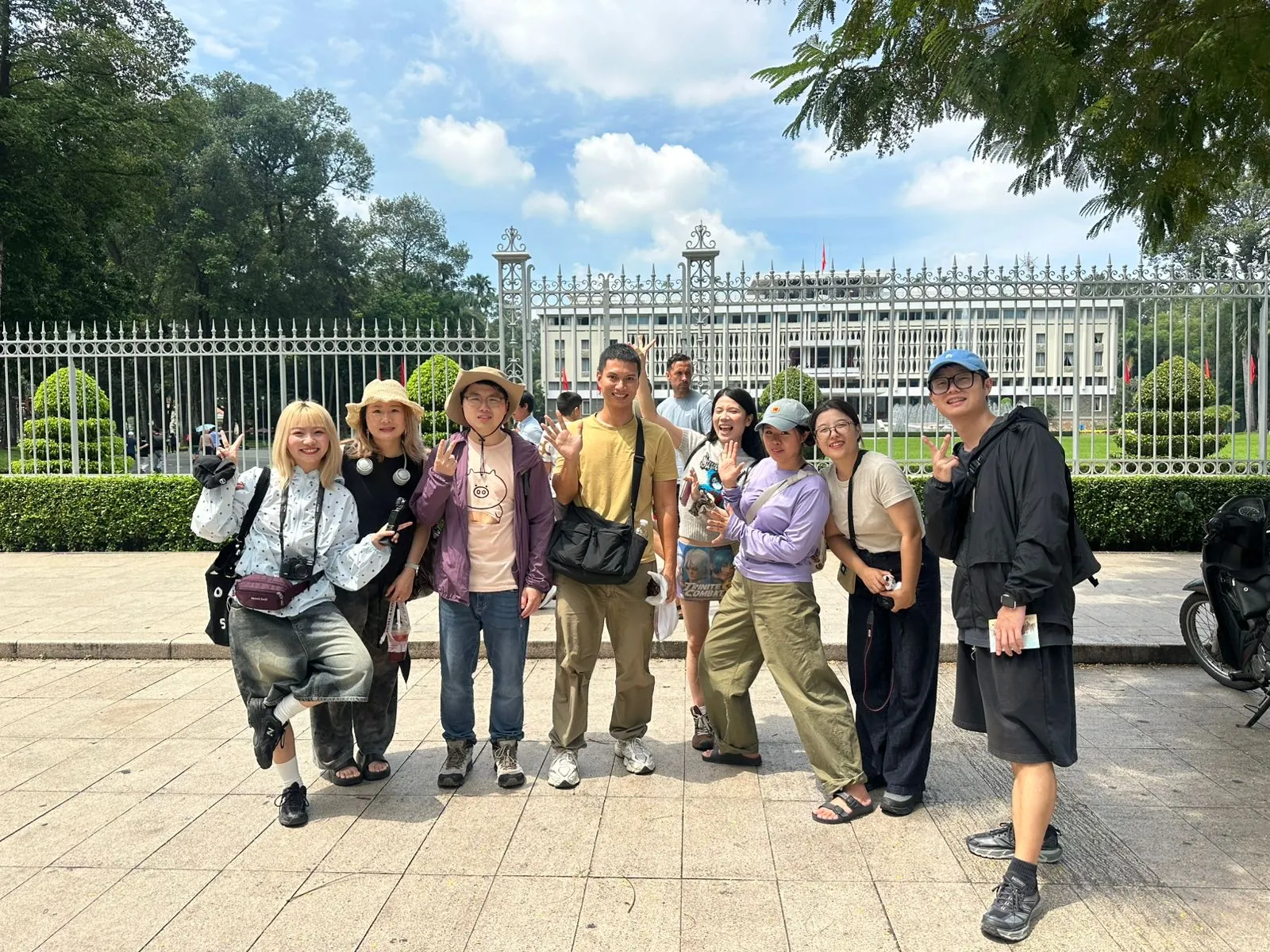
My Saigon guide has a one-day plan that puts the big sights in order. On my walking tours I leave the War Remnants Museum out on purpose, because it's better on your own. Saigon See It All explains why, and how to fit it in after the tour.
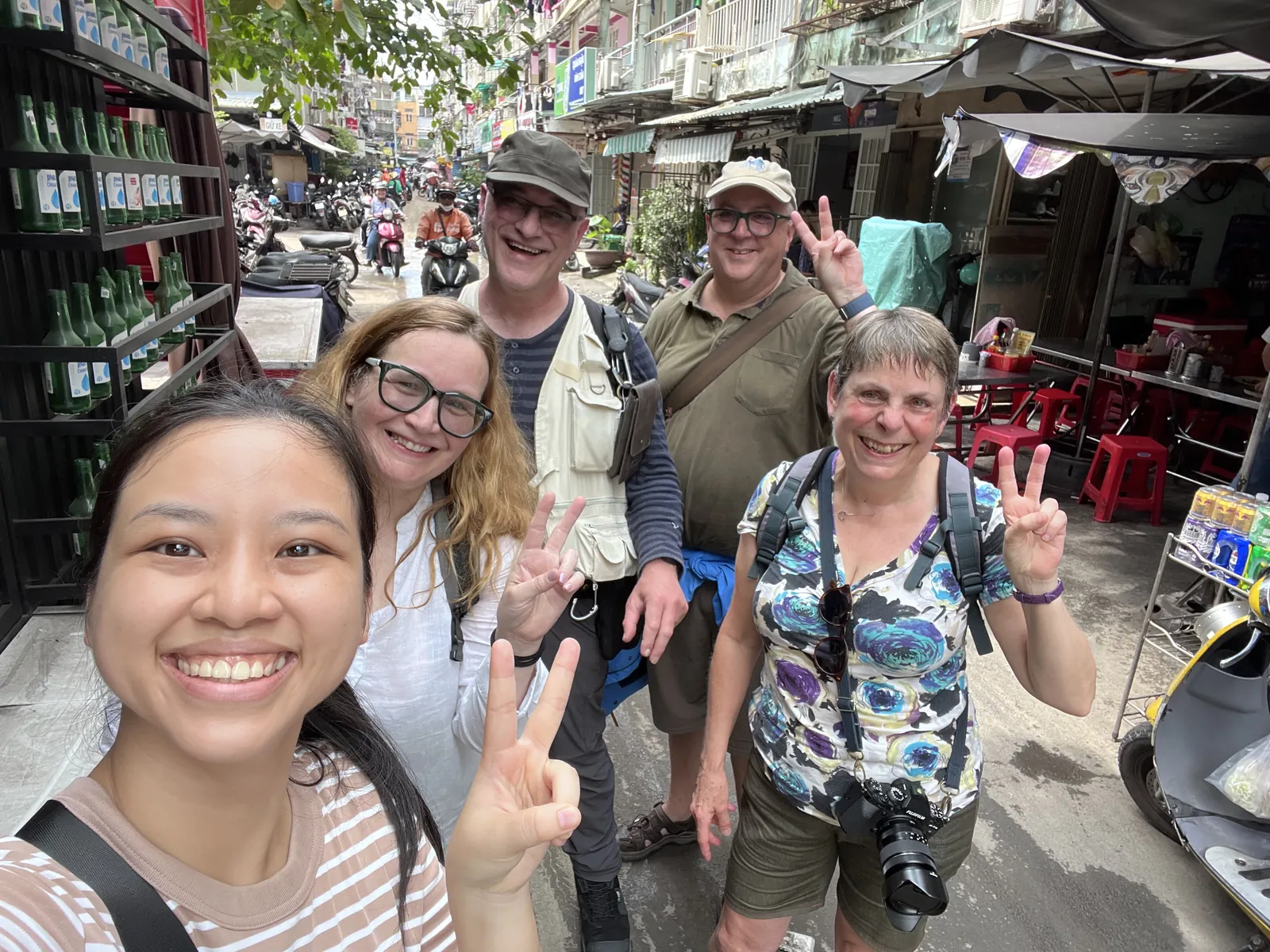
If you want the back streets in between the museums, that's what my walks are for. Message me if you're planning your day and have a question.
Book a tour with Spring →Why book with Spring Saigon Tours
I run small food walks and evening tours through Ho Chi Minh City, the city I grew up in. Spring Saigon Tours has 2,700+ five-star reviews across Airbnb, Withlocals, GetYourGuide, and Viator.
Tours stay small on purpose. Max 6 guests on a group walk, private options for anyone who wants the city to themselves. No scripts, no laminated menus.
The people who come aren't really customers. They're just the friends I haven't met yet.
Questions people ask
Are there free museums in Ho Chi Minh City?
Yes. The Ho Chi Minh Campaign Museum is free, though only on weekdays. The Southern Women's Museum and the Ho Chi Minh Museum at Nhà Rồng aren't charging yet. Under the new rules, children and students also get in free at the city-run museums, but the notices are written for Vietnamese ID, so bring a student card and don't count on it.
Is the Ho Chi Minh Museum worth it?
There are two with nearly the same name. The Ho Chi Minh City Museum at 65 Lý Tự Trọng is about the city, costs 60,000 VND and has the better building. The Ho Chi Minh Museum at Nhà Rồng is about the man, it's free and it's a short visit by the river.
Are museums in Ho Chi Minh City open on Mondays?
Most of them are. The War Remnants Museum, the Independence Palace, the Museum of Traditional Vietnamese Medicine and the Phở Museum are open every day. The History Museum is closed on Mondays, and the Ho Chi Minh Campaign Museum is closed at weekends.
How much is the War Remnants Museum ticket?
60,000 VND since 1 October 2026. Before that it was 40,000 VND. You can buy it online at baotangchungtichchientranh.vn and skip the queue at the counter.